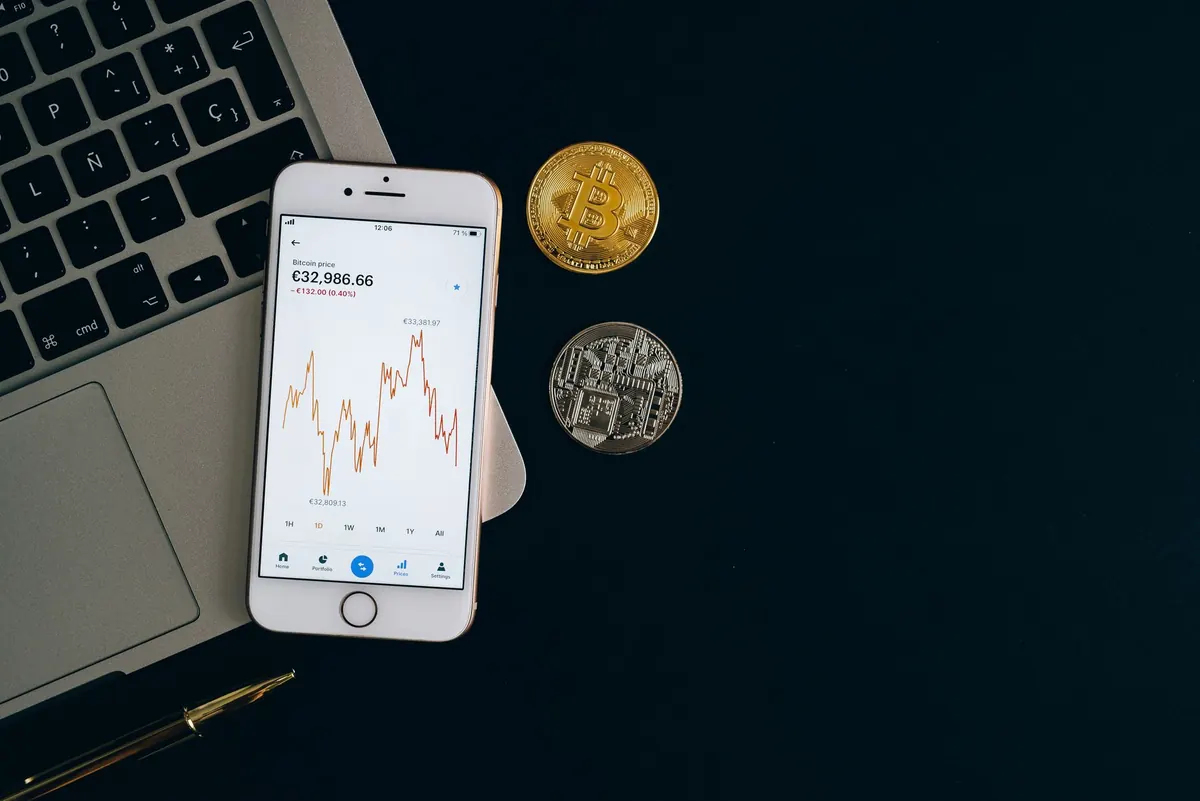
The most expensive candle of your month can arrive on a Sunday at three in the morning, when hardly anyone is watching. Bitcoin drifts sideways for hours, a thin burst of selling hits the book, and a stop you placed with care on Wednesday is gone in ninety seconds. That is not bad luck. It is a weekend market behaving like a weekend market.
Crypto trades around the clock, but it does not trade under the same conditions around the clock. Spreads stretch, depth thins out, and signals that looked dependable on a Tuesday afternoon start to behave differently. Understanding why makes it far easier to decide which weekend alerts deserve your money.
Depth is not a fixed feature of a market. It is a crowd of people willing to quote a price at that moment, and on Saturdays and Sundays much of that crowd is elsewhere: market makers, proprietary desks, treasury teams, and the institutional flow that would normally show up. Spot exchange-traded funds in the United States create and redeem shares only when the equity market is open, so that channel stays shut until Monday.
That leaves a thinner, more cautious book. Market makers who keep quoting tend to widen their spreads and show less size, because hedging a position is harder when fewer participants are around to take the other side. Weekend headline risk adds to it: regulatory news, exchange incidents and geopolitical shocks do not wait for office hours, and anyone quoting into that uncertainty wants paying for the risk.
A signal tells you a direction. The market decides what that direction costs you. In a liquid weekday session you might cross a spread of a single tick on a major pair. On a quiet Sunday afternoon the same book can be several times wider, with far less sitting behind each level.
Now add size. A market order that would barely register on Wednesday can walk through three or four price levels on a Sunday, each one worse than the last. The alert said buy at one price; your fill says something else. Exits are just as awkward, because limit orders sit unfilled while the book flickers around them, and partial fills leave you holding a position you thought you had closed.
Thin books are cheap to push. A small amount of aggressive buying can shove price through a level that mattered all week, trigger a wave of stop orders, then collapse back below it once the push runs out of buyers. Breakouts calibrated on weekday volume are especially prone to this, because the volume filter and the follow-through they depend on simply are not there.
These often look brilliant on a quiet Saturday, then hand back a week of gains in an hour. When liquidity is thin, moves that would be absorbed on a weekday can run much further than the model expects. A calm-looking range is not the same as a well-supported one.
A stop distance based on average true range measured across weekdays will usually be too tight for weekend wicks. You are not being hunted by a conspiracy; you are simply standing close to a door that many people are trying to leave through at once.
If your signals rely on perpetual futures, the weekend adds a few mechanical wrinkles. Funding intervals and settlement times differ between venues, so a setup built around funding costs may not translate cleanly from Saturday to Wednesday. Open interest often falls as traders trim exposure before the weekend, leaving less cushion to absorb a shock. Liquidation engines keep working through Saturday and Sunday, and a cascade through a thin book can move price much further than the same cascade would on a busy afternoon.
Weekends are not off-limits. Higher-timeframe signals, planned spot accumulation and rebalancing decisions often work better when the market is quiet and you are not competing with a crowd. A quiet session can also be a good time to leave limit orders sitting at prices you would be pleased to own, particularly in the majors.
The distinction is intent. Taking a weekend signal because it appeared, at full weekday size with a weekday stop, is how small edges turn into avoidable losses. Taking one because you have checked the clock, the spread and the depth, and adjusted accordingly, is a different proposition entirely.
Try this for a month. Keep a separate note for weekend trades: the pair, the time, the spread at entry, the fill you actually received, and how the position ended. Most traders spot two or three patterns in their own numbers within a few weeks, and those patterns are worth more than any general advice.
Then make Sunday evening a habit. Review open positions, note anything you are holding into the Monday Asia open, and set your maximum weekend exposure before the week begins. Signals do not change
Photo: Leeloo The First / Pexels