A dip is only a discount if the reason behind it isn't a warning. The alert arrives, the candle is red, and the urge is to buy before the bounce disappears. Most of the damage done to trading accounts happens in the gap between seeing a lower price and understanding why it is lower.
What follows is a practical routine for checking a dip-buying signal, whether it came from a paid service, a bot, or your own chart. Work through it in order. Market structure comes first, narrative last, and money only once the numbers agree.
Price is the least reliable part of a dip. On a thin order book, a modest sell order can push a coin down several per cent, and the support you can see is often imaginary. Before anything else, check how much real buying interest sits below the current price.
Look at two or three venues rather than one, because depth migrates. If your planned position is a few thousand pounds and there is only a fraction of that in bids within 1 per cent of the mid price, your stop loss is a suggestion rather than a level. Compare today's depth with the depth a week ago. When market makers step back, dips get deeper and recoveries get slower.
Funding rates tell you who is paying to hold a position. Negative funding means shorts are paying longs, which can signal crowded bearish positioning and a possible squeeze. It can equally signal genuine, sustained selling pressure. On its own, funding is a description rather than a forecast.
Pair it with open interest. If open interest rises while price falls, new short positions are being opened and a sharp reversal becomes more likely. If open interest falls, longs are being closed out or liquidated, which often means the move has further to run. Then glance at the basis: a perpetual future trading at a persistent discount to spot is a sign of real stress among leveraged buyers. Extreme funding in either direction, across several venues, is a crowd warning worth heeding.
On-chain data answers a question price cannot. Are coins moving towards exchanges, or away from them? Sustained inflows to exchanges often precede selling, while outflows suggest holders are moving assets into custody. Stablecoin inflows, where you can see them, hint at buying power arriving on the sidelines.
Treat this as confirmation rather than a trigger. Exchange internal transfers, custody reshuffles and address relabelling all distort the picture, and the data lags the market. One large holder moving coins is interesting. A broad pattern across many wallets is useful.
If you cannot explain the fall in one sentence, you are guessing. Ask whether the cause is scheduled or unplanned. Scheduled events include central bank decisions, inflation prints, token unlocks and listing changes. You can wait those out, and you should usually plan around them. Unplanned events such as protocol exploits, stablecoin depegs, halted withdrawals or regulatory action require a different judgement: has something changed about the asset itself, or is this simply fear?
One more question. Is the dip specific to one coin, or is the whole market down? A signal generated on a single pair means little when every major asset is falling together. Correlation rises in a sell-off, so diversification stops working exactly when you need it most.
A dip you can explain is an opportunity. A dip you cannot explain is an invoice you have not received yet.
Dip buying fails most often in the sizing, not the entry. A wider invalidation level demands a smaller position, so start from the amount you are willing to lose on the trade and work backwards. Write the plan down before you click buy.
Keep some capital aside. Dips have a habit of becoming deeper dips, and the traders who survive them still have ammunition and a clear head on the second and third leg down. None of this is financial advice. If you are trading amounts that matter to your household, speak to a regulated professional.
Run this before every dip purchase, and be sceptical of any signal that fails more than two or three of the tests.
A dip-buying signal is a prompt to do work, not a substitute for it. Verify the ten items, size the trade so a wrong call is survivable, and let the process, rather than the alert, decide whether you buy.
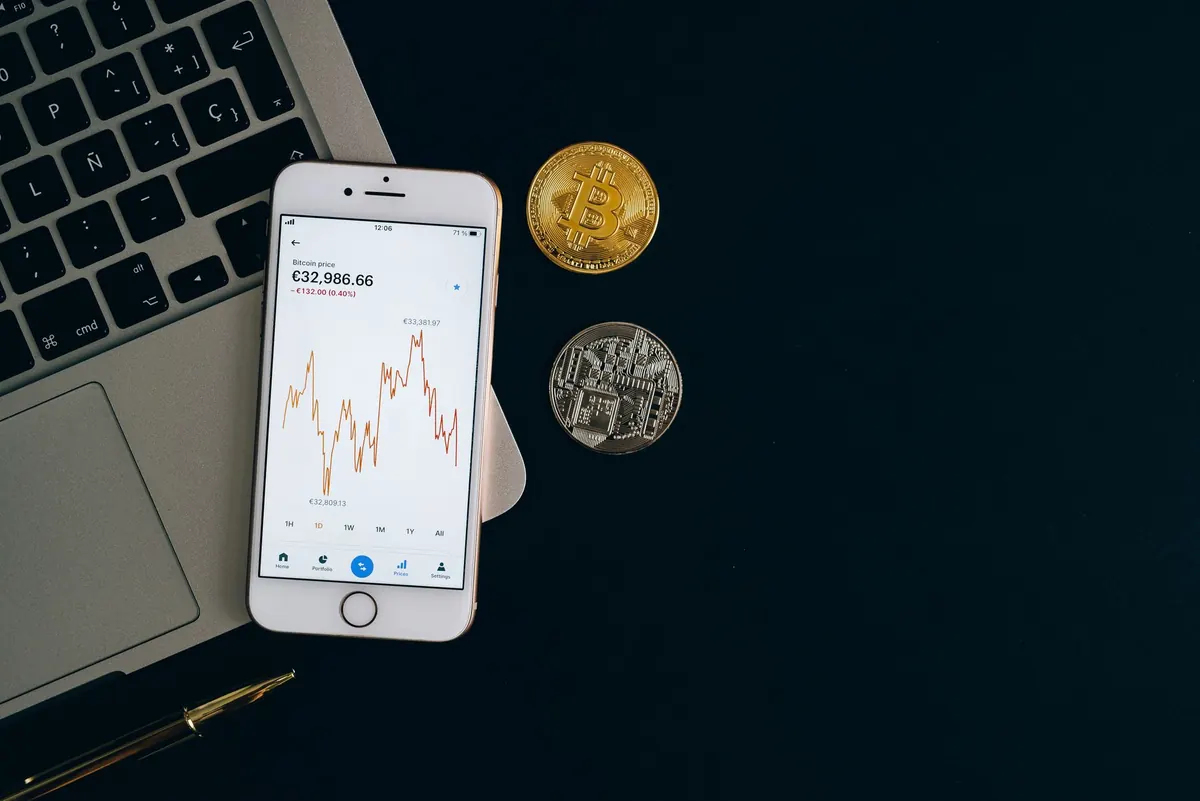
Photo: Shutter_Speed / Pixabay