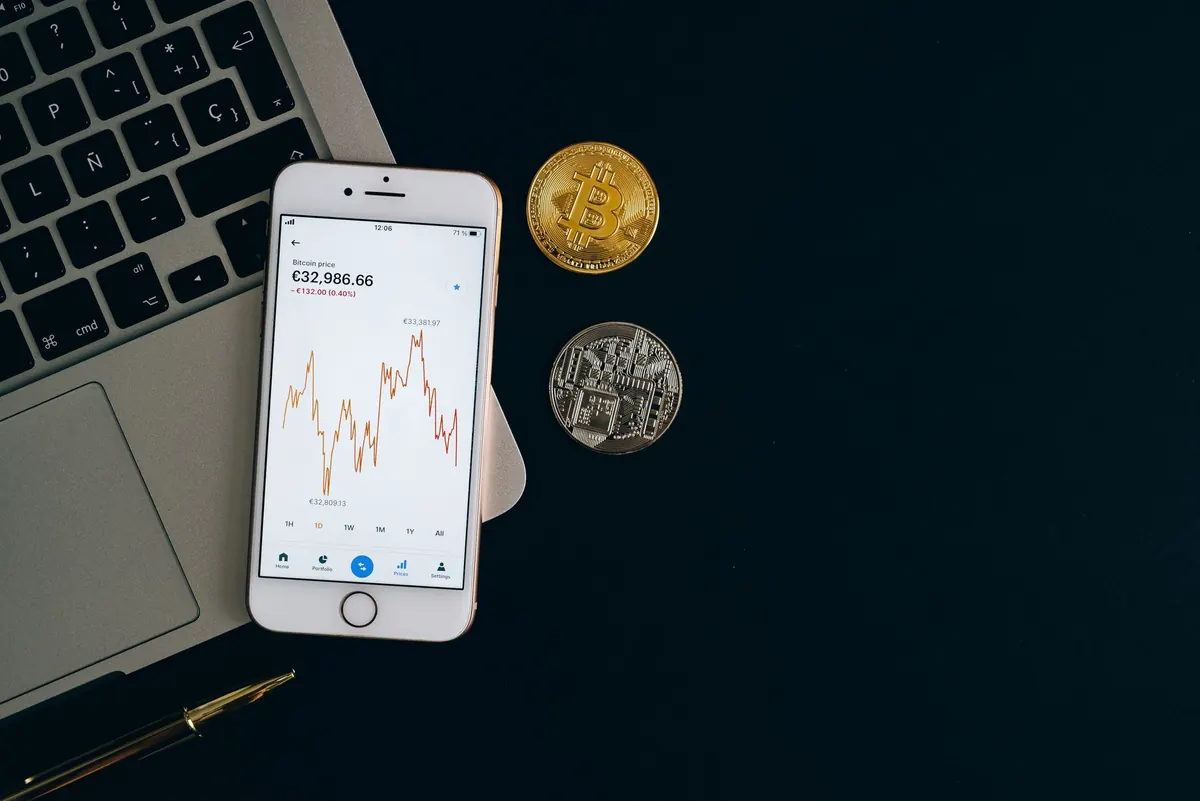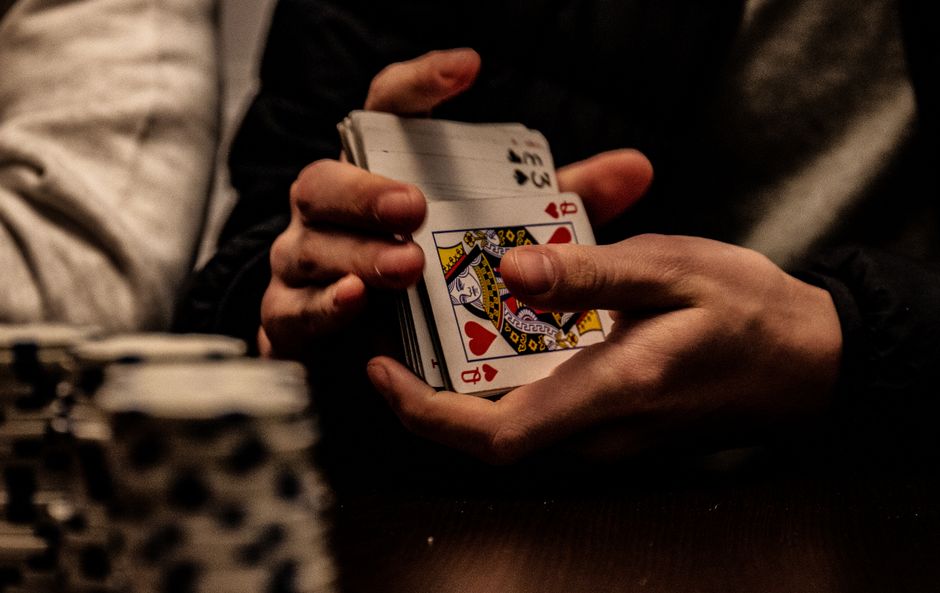
Three in the morning, and somewhere a player is one scatter symbol away from a payout that would cover a year of rent. Another is folding pocket nines on the bubble of a Sunday tournament. A third is staring at a Champions League accumulator that has already cost him two weekends of peace. iGaming is a strange, sprawling ecosystem, and if you have spent any time inside it, you know the thrill is rarely just about the money. It is about the math, the psychology, the near-misses, and occasionally the wins that make you question whether luck actually exists.
Whether you are a slots grinder, a poker regular, or a casual punter who bets on football on Saturdays, knowing how the machinery works behind the screen changes everything. Not just your odds, but your enjoyment. Here is a grounded look at what is actually happening in the iGaming space and how to navigate it without losing your shirt or your head.
The days when slots were simple three-reel fruit machines are long gone. Modern video slots from studios like Pragmatic Play, Nolimit City, and Hacksaw Gaming carry thousands of paylines, cascading reels, and bonus mechanics with names like "tumble," "expanding wilds," and "sticky multipliers." They are engineered, quite deliberately, to feel volatile and cinematic.
The number that actually matters is RTP — Return to Player. A slot with 96.5% RTP returns, on average, 96.5 cents for every dollar wagered over millions of spins. Sounds generous. But that 3.5% house edge compounds fast. Spin $1,000 through a slot and you are theoretically down $35 by the end, and that is only if variance doesn't slap you around first.
A practical tip: set a session budget before you load a slot, and treat it like a cinema ticket. Once it is spent, you leave. The players who get destroyed are the ones who chase a bonus they feel is "due." Slots have no memory. Every spin is independent. Anyone weighing up options should see mahjong slot.
Poker is the only game in this list where a genuinely skilled player can maintain a long-term edge over the house. That is the whole point — in poker, you are not playing the casino. You are playing the other players, and the casino just takes a rake.
Online poker has matured enormously. Sites like GGPoker, PokerStars, and WPT Global run thousands of tables across No-Limit Hold'em, Pot-Limit Omaha, and short-deck variants. Traffic is global, which means softer pools at certain times of day. If you are in Europe and play at 6 a.m., you will often find fewer regs and more recreational players from other time zones.
Poker is unforgiving in the short run. You will lose with aces against kings, and it will sting. The players who survive are the ones who think in 100,000-hand samples, not single sessions.
Sports betting has exploded thanks to mobile apps and livestreaming. A Saturday afternoon accumulator is now something you can put together in ninety seconds. That convenience is exactly what makes it dangerous.
Sharp bettors do not just pick winners. They pick value. A team that is 70% likely to win but priced at 1.80 decimal odds (implied probability of 55.6%) is a value bet. A team that is 60% likely to win but priced at 1.40 is a trap. The math is what matters, not the eye test.
Emotional betting — backing your team because you love them, or doubling up after a loss — is how bookmakers pay their staff. If you treat betting like a hobby with a fixed monthly budget, you will keep it fun. If you treat it as income, you will find out quickly why the house wins.
One thing every iGaming player should track is regulation. Markets open and close quickly. The UK, Sweden, and several US states have strict licensing regimes with affordability checks and deposit limits. Curacao licenses, once the wild west of online gambling, are being tightened. Offshore sites are starting to struggle with payments.
What does this mean for you? Play on licensed, regulated platforms whenever possible. They are not perfect, but they are far more likely to pay out on legitimate wins, enforce fair RNG testing, and give you recourse if something goes wrong. Unlicensed sites occasionally vanish overnight with player balances. No screenshot and no angry tweet will bring your money back.
None of this is a lecture. iGaming is entertainment, and entertainment is allowed to cost money. The difference between a healthy player and a problem player is rarely the game — it is the expectations. Slots are not investments. Poker is a grind, not a lottery ticket. Betting is a probability exercise, not a prediction superpower.
If you are playing for fun and you can afford to lose, then the wins feel like gifts and the losses feel like the price of a night out. But if you ever find yourself chasing, lying about your spending, or betting money you cannot replace, stop. Most regulated sites now have deposit limits, time-outs, and self-exclusion tools. Use them without shame. They exist because even experienced players lose perspective sometimes.
The iGaming world is vast, clever, and endlessly engaging. But the smartest players are not the ones who win the biggest jackpot. They are the ones who know exactly why they are there, how much they are willing to spend, and when to close the laptop and go for a walk. That is the real strategy, and it works across every game, every site, and every odds line.